

Custom joinery design plays a crucial role in modern interior architecture by creating bespoke furniture, cabinetry, and architectural woodwork tailored to specific spaces. Unlike mass-produced furniture, custom joinery design allows architects and interior designers to achieve precise dimensions, unique aesthetics, and efficient storage solutions. Today, custom joinery design services are widely used in residential and commercial projects across the USA and UK, helping property developers and homeowners create interiors that combine craftsmanship, functionality, and long-term value.
What Is Custom Joinery Design?
Custom joinery design refers to the process of designing and manufacturing bespoke wooden elements specifically tailored to fit a particular space. These elements may include built-in cabinets, wardrobes, shelving units, doors, kitchen cabinets, and architectural millwork.
Unlike ready-made furniture that follows standard dimensions, custom joinery is developed based on the exact measurements and design requirements of a project. This allows designers and architects to integrate furniture seamlessly into interior layouts.
Common examples of custom joinery include:
- Built-in wardrobes
- Custom kitchen cabinets
- Wall shelving systems
- Wooden staircases
- Reception desks
- Luxury display cabinets
Because every piece is tailored to the project, custom joinery design helps create interiors that are both functional and visually cohesive.
Growing Demand for Custom Joinery Design in the USA and UK
Over the last decade, the demand for custom joinery design services has grown significantly in countries such as the USA and UK. Modern interior design trends increasingly focus on personalized spaces rather than generic furniture.
Read Also: All You Need to Know About Bespoke Furniture CAD Designs
Architects and interior designers now prefer bespoke joinery because it offers greater flexibility in design and better utilization of space. Urban apartments, luxury homes, hotels, and commercial offices frequently use custom joinery to enhance both aesthetics and functionality.
Several factors are driving this demand:
- Growing popularity of luxury interior design
- Increasing need for efficient storage solutions
- Desire for personalized interior spaces
- Higher expectations for craftsmanship and durability
As a result, custom joinery design has become an essential part of modern architectural projects.
Key Benefits of Custom Joinery Design
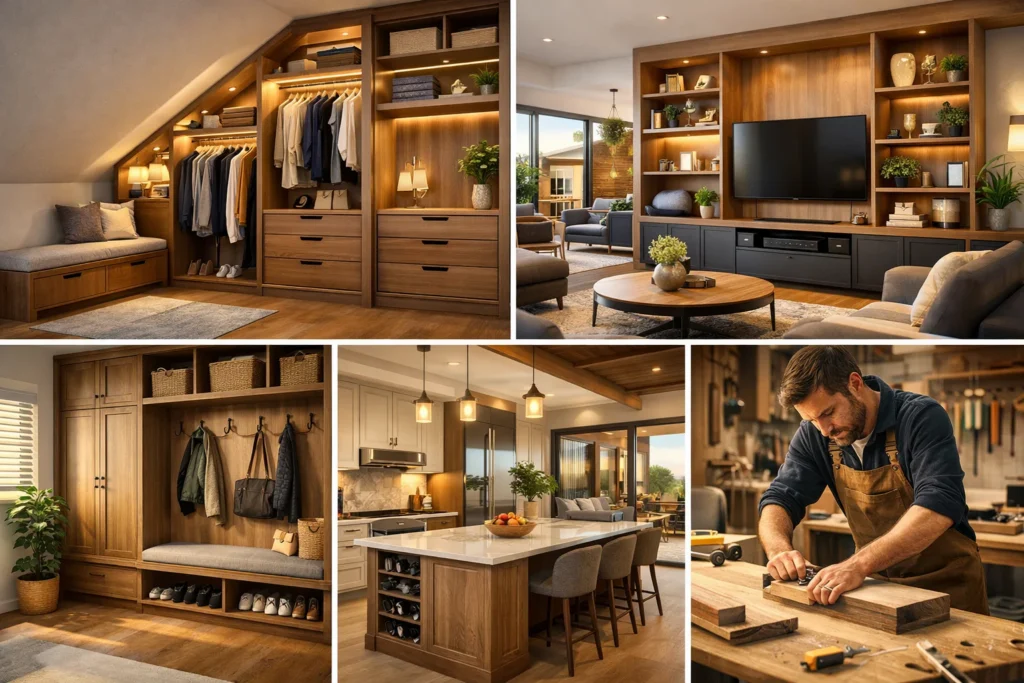
Perfect Fit for Any Space
One of the biggest advantages of custom joinery design is that it ensures a perfect fit. Standard furniture often leaves unused gaps or awkward spaces, while bespoke joinery fits the exact dimensions of the room.
This makes it particularly useful for:
- Small apartments
- Loft spaces
- Irregular room layouts
- Renovation projects
With custom joinery, every inch of space can be utilized effectively.
Personalized Design Flexibility
Custom joinery allows complete design freedom. Architects and designers can select materials, finishes, colors, and hardware to match the interior theme of the space.
This flexibility ensures that each element integrates seamlessly with the surrounding architecture, creating a cohesive and refined interior design.
Improved Storage Solutions
Modern homes and offices require smart storage solutions. Custom joinery design enables the creation of built-in storage units that maximize available space.
Examples include:
- Floor-to-ceiling wardrobes
- Hidden storage compartments
- Integrated shelving systems
- Under-stair cabinets
These solutions help maintain a clean and organized environment.
Increased Property Value
High-quality joinery adds significant value to a property. Homes with bespoke cabinetry, custom wardrobes, and premium millwork often attract higher resale prices.
Buyers and investors appreciate the craftsmanship and functionality that custom joinery provides, making it a worthwhile investment for property owners.
Superior Craftsmanship and Durability
Unlike mass-produced furniture, skilled craftsmen build custom joinery with higher-quality materials and professional fabrication techniques. This results in furniture that is more durable and long-lasting.
Skilled craftsmen carefully construct each component to ensure strength, precision, and high-quality finishing.
Custom Joinery Design vs Ready-Made Furniture
| Feature | Custom Joinery Design | Ready-Made Furniture |
| Fit | Perfectly tailored to the space | Standard sizes |
| Design | Fully customizable | Limited options |
| Storage | Optimized storage solutions | Basic storage |
| Quality | Premium craftsmanship | Mass produced |
| Property Value | Adds value to property | Minimal impact |
For projects where design quality and space efficiency are important, custom joinery design provides clear advantages.
Custom Joinery Design Process
Creating high-quality bespoke joinery involves several important stages.
1. Concept Development
The process begins with understanding the client’s design goals, interior layout, and functional requirements. Designers create initial sketches or concepts based on these requirements.
2. CAD Drafting and Technical Drawings
Professional CAD drafting is used to create precise technical drawings. These drawings include measurements, joinery details, and fabrication specifications.
Accurate drawings ensure that manufacturers can produce the components correctly.
3. 3D Modeling and Visualization
3D CAD modelling services help clients and designers visualize the final product before fabrication begins. This step allows adjustments to be made early in the design process.
4. Material Selection
The choice of materials plays an important role in both durability and appearance. Popular materials include hardwood, plywood, MDF panels, and engineered wood products.
5. Fabrication Drawings
Through detailed shop drawings services, detailed shop drawings are prepared to guide the manufacturing process. These drawings provide instructions for cutting, assembling, and finishing each component.
6. Manufacturing and Installation
Finally, the joinery components are fabricated and installed on site, completing the project.
Why Architects Prefer Custom Joinery Design Services
Architects and interior designers prefer custom joinery design because it allows them to maintain complete control over the interior design process.
Bespoke joinery ensures that furniture aligns perfectly with architectural elements such as walls, ceilings, and flooring. It also enables designers to incorporate unique features that cannot be achieved with standard furniture.
For large residential and commercial projects, custom joinery provides the flexibility needed to achieve both functional and aesthetic goals.
Conclusion
Custom joinery design has become an essential element in modern architecture and interior design. By offering tailored solutions, superior craftsmanship, and efficient space utilization, bespoke joinery helps transform ordinary interiors into functional and visually appealing environments.
As demand for personalized spaces continues to grow in the USA and UK, custom joinery design services will remain a key component of high-quality residential and commercial projects. Contact us today to discuss your project and discover how professionally crafted joinery can elevate your home or commercial space.