
Product CAD Design Services
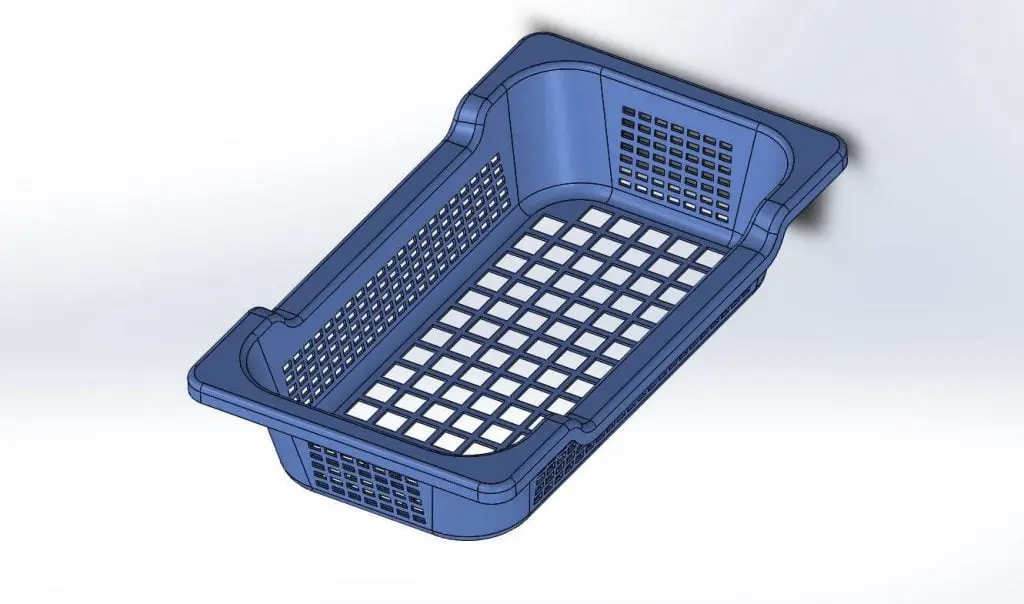
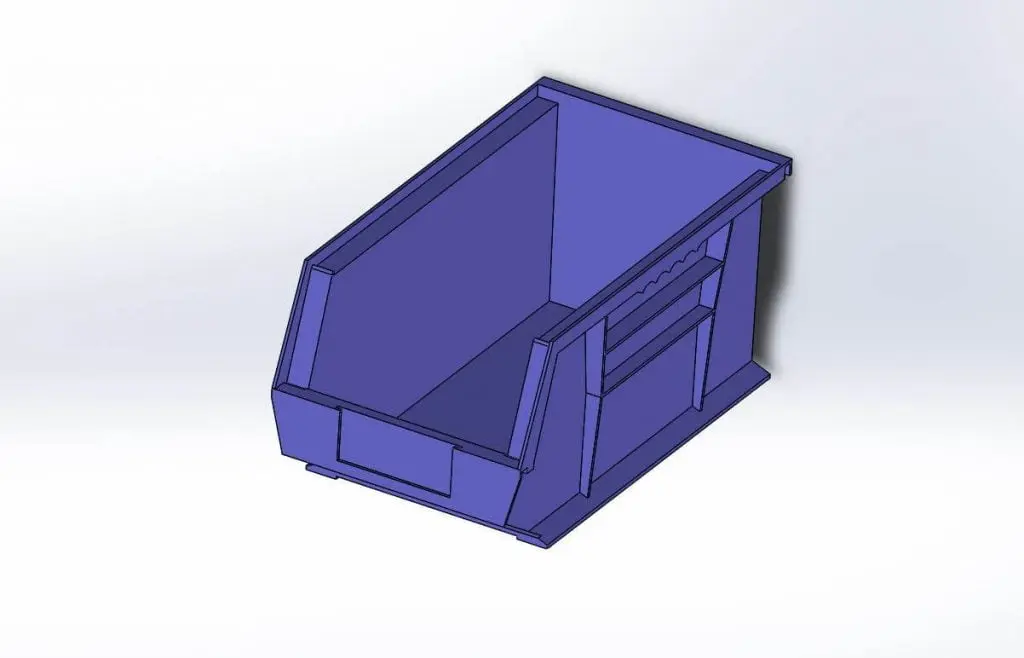
Product design is the process designers use to blend user needs with business goals to help brands make consistently successful Industrial and manufacturing products.
Who Can Leverage 3D Product Design Services ?
Our automotive or automobile engineers used to deal with hundreds of automotive or automobile components that fall into four main categories, which are the chassis, engine, transmission system, and body.
Handover your sketches, drawings, or just narrate your concept in technical terms.
Mechanical Industry Product Design Services
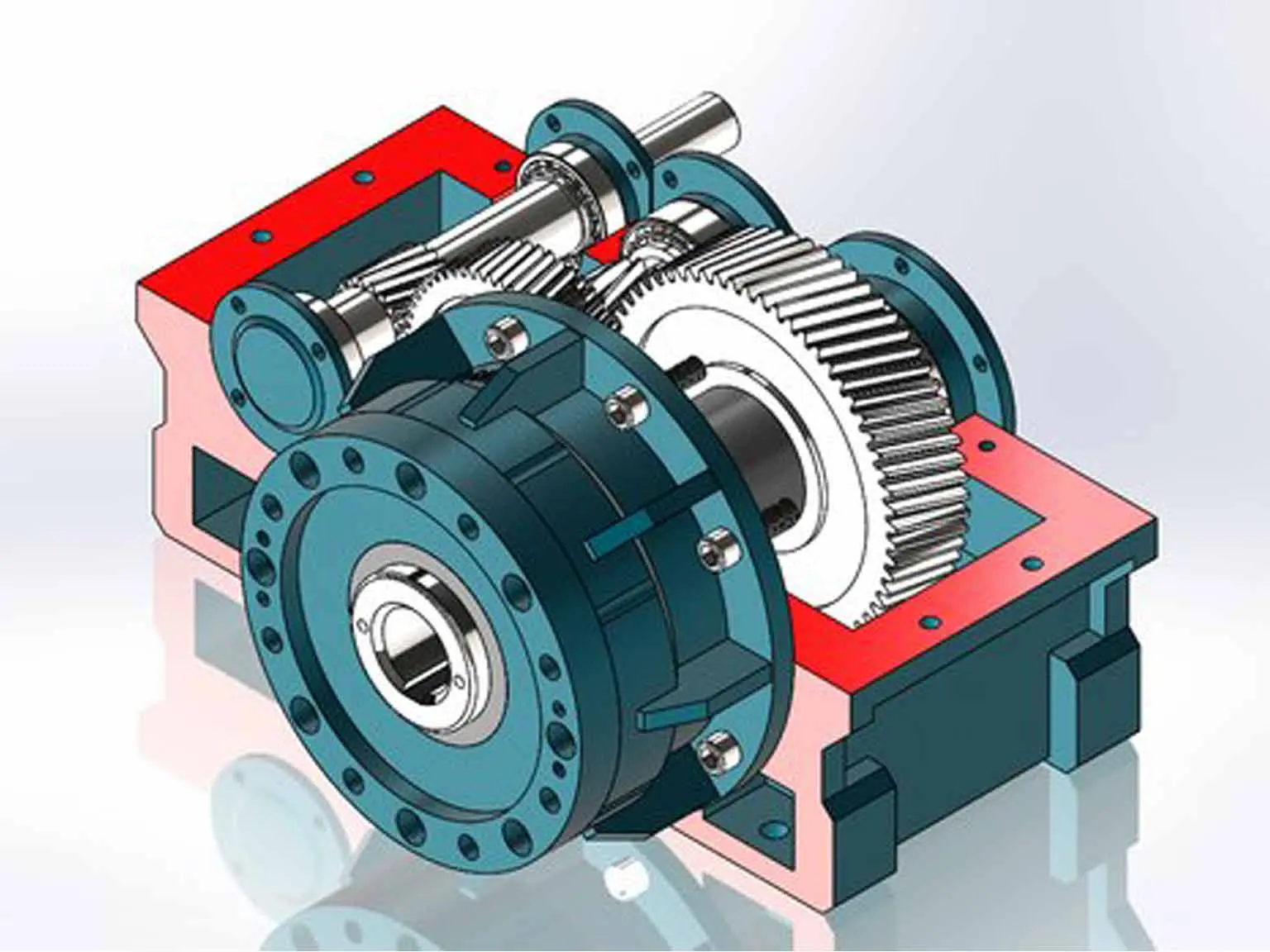
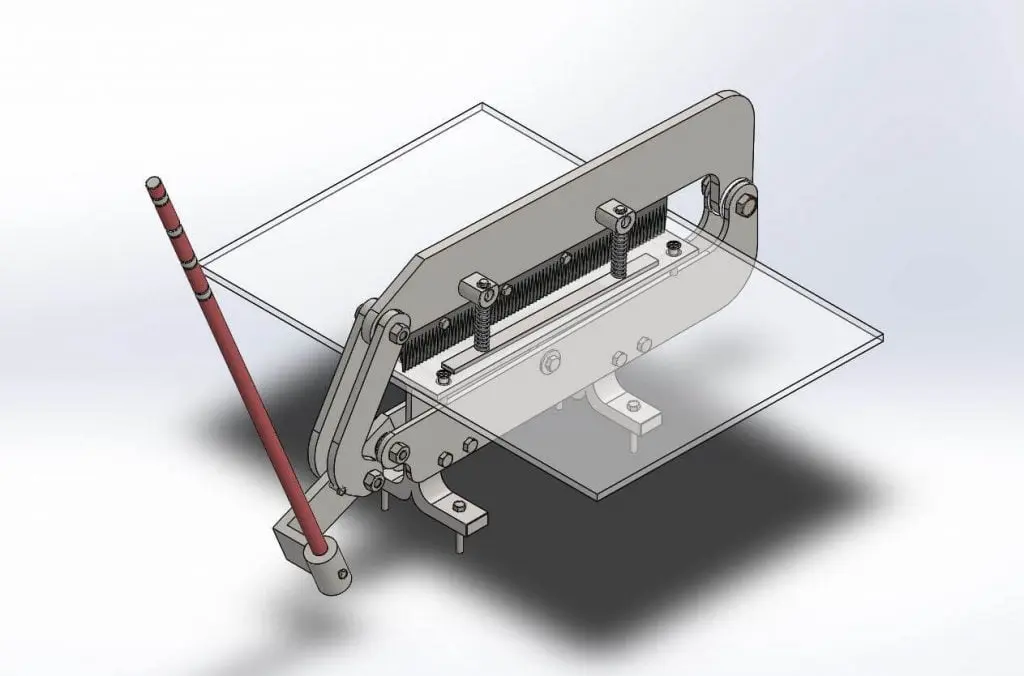
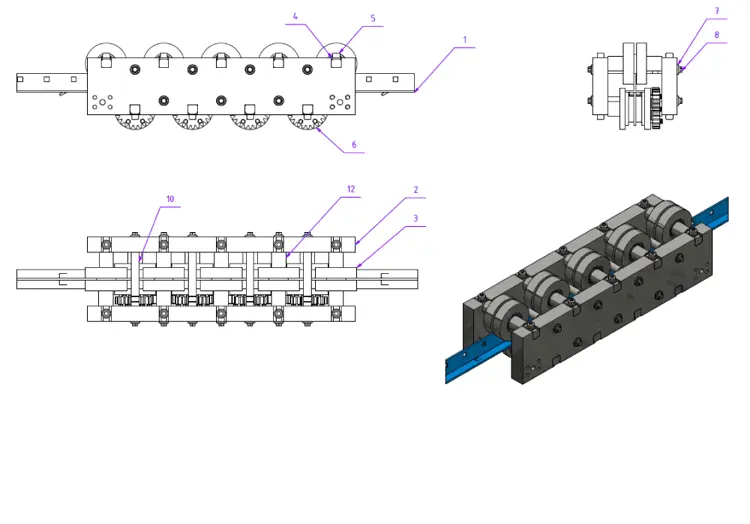
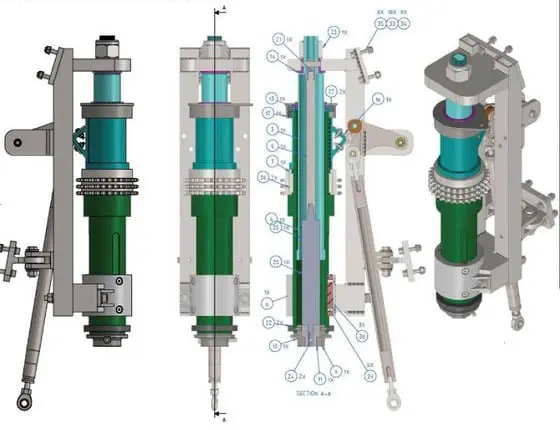
Our mechanical engineers know that a mechanical system is a set of physical parts. These components are capable of converting an input force & motion into desired output force & motion. This conversion requires a well-planned process supported by accurate mechanical CAD design and drafting.
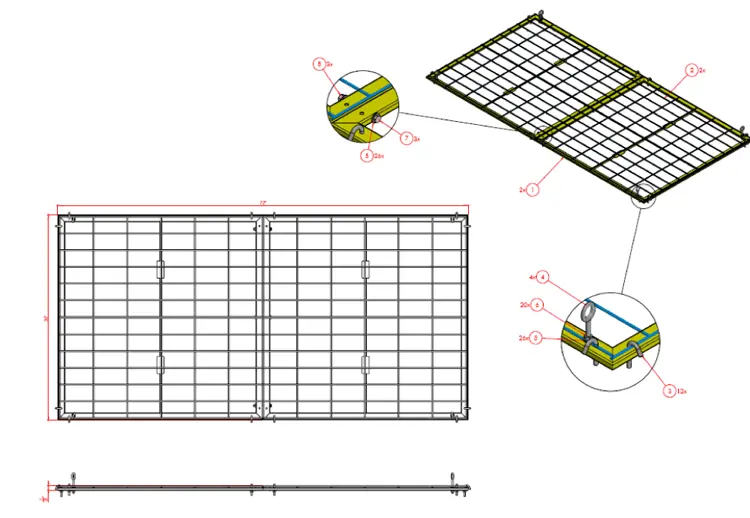
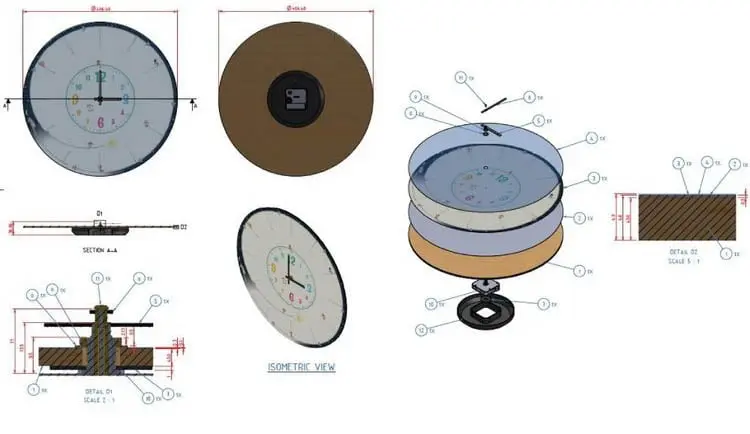
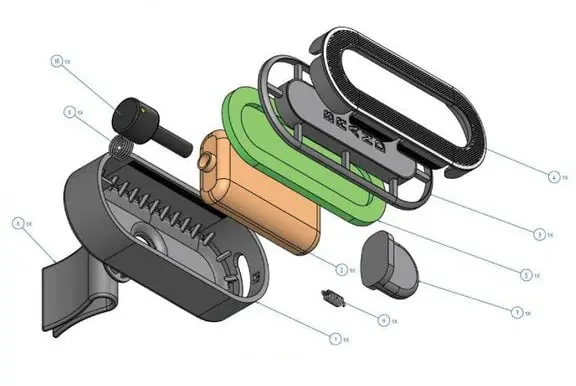
We used to deal with your manufacturing drawings or sketches of physical parts of the mechanical system and prepare 2D drafts first and then convert them into a. 3D CAD model So, you can see them in motion with intricate animations.

Electrical Industry Product Design Services
An electrical system consists of three main components: Generation, transmission, and distribution. The entire system has myriads of parts and our electrical engineers are experts to make a modification or assist you in the innovation.
Our CAD drawings and 3D modeling help you to visualize as well as test the system even before it goes for manufacturing using the sophisticated product design tools at Shalin Designs.
Electronics Industry Product Design Services
Electronic systems are of two types: passive and active. The components of a passive-type electronic system, which are mainly paths and containing: capacitors, resistors, inductors, and diodes. Similarly, the active-type of an electronic system, which has gains or directionality consists of: ICs (Integrated Circuit), transistors, and logic gates.
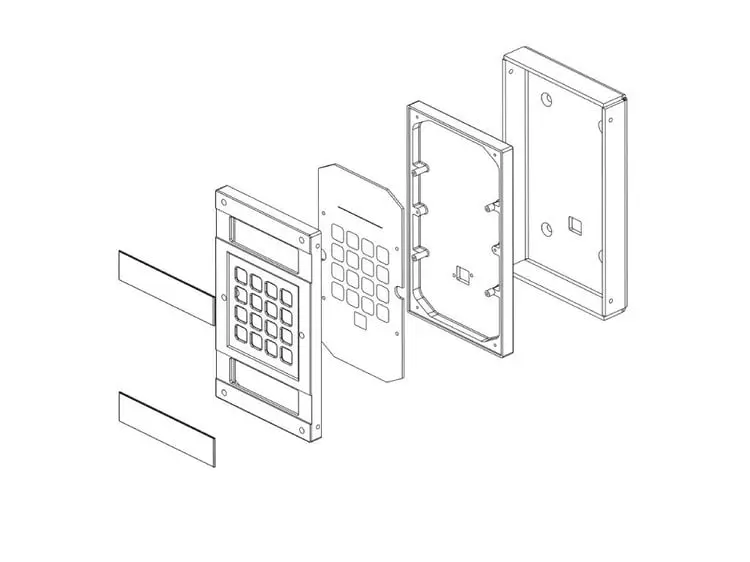
Our electronics engineers know how to simulate the entire circuit board and test them in a three-dimensional environment of the CAD system.
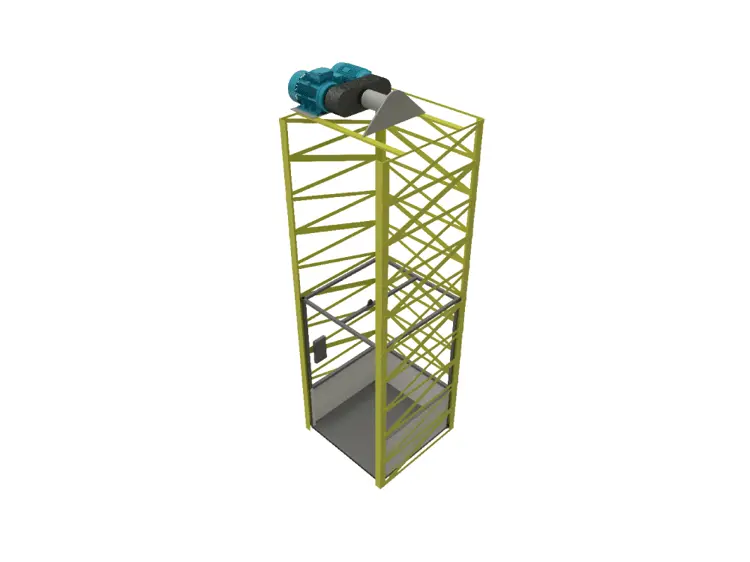
Industrial and Manufacturing 3D Product Design Services
The following are some product design services you can find at Shalin Designs.
Product Design Research
Product design research means looking at the detailed insights of various product attributes. To gain a competitive advantage we also help you in providing benchmarking to product changes.
Reverse Product Engineering in CAD
Produce physical components and we will scan them using the latest scanning tools that automatically convert the results into CAD data. It helps us to create a 3D model of the existing product/s.
Next, you will have options to make changes according to your concept or requirements within your contexts. Thus, our reverse engineering lets you modify the existing product and enhance its usability.
Product Detail Design
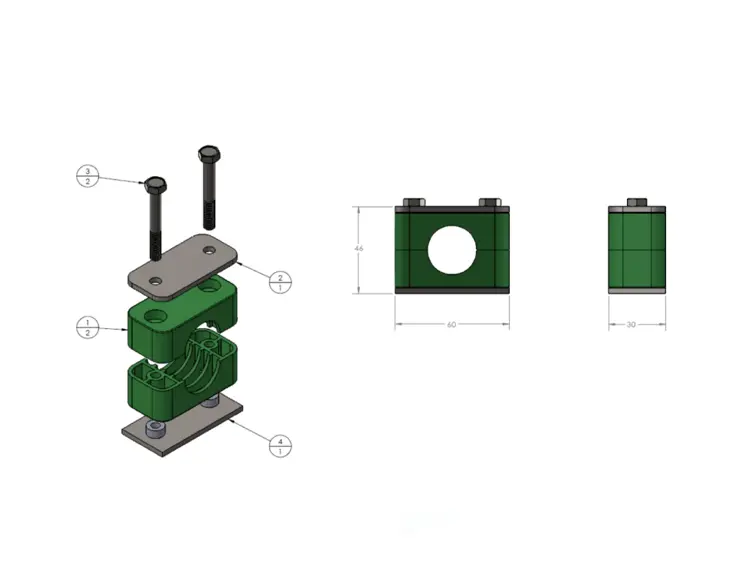
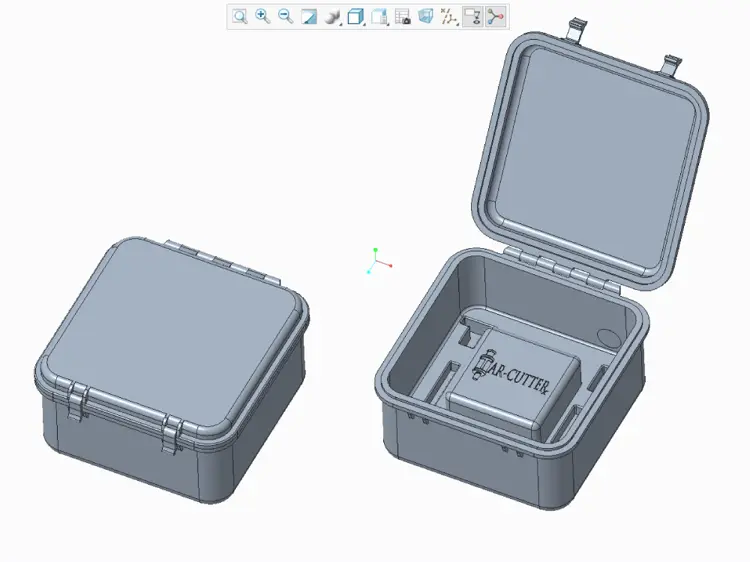
Our subject matter experts CAD product engineers are capable of providing your immense level of depth in product details with the required precision level. It means you can dive from an inch-unit to a nano-meter unit while seeing the product in 3D perspectives.
Product Styling & Product Aesthetic CAD Design
When it is a matter of look-n-feel, the product style, and product aesthetic play big parts. Our product engineers look after these aspects in their respective engineering niches. It means mechanical engineers know-how mechanical products look in style and aesthetic.
Product Ergonomic CAD Design
Our product ergonomic CAD designers know the fundamentals of ergonomic science and can turn product design from flat-professional to human-usage-friendly.

Product Material Selection CAD Design
Checking myriads of material options for your products is a possibility in our 3D CAD rendering services. We let our patrons check cost-effective product material options in the system prior to manufacturing.
Product Costing/Value CAD Design
Modern 2D/3D CAD software systems have built-in or plugin capability to make product cost estimation by filling costing parameters. Our product costing or product valuation experts can help you in due course as well.
Product Design Change Management & CAD Design
Managing product changes is daunting throughout the product development cycle when you intend to have the visualization in advance. We have ECR/ECN/ECO processing experts and can manage such changes effectively.
Product Design Extension & Quality Assurance (QA)
It is possible that your existing product design portfolio can work further in other cases. So, we willingly help our patrons to extend their product design further and get multiple benefits from their investment.
Similarly, we are revising product functionality for better results as a part of our product QA services. We also offer product documentation and audit services along with cross-platform product integration and testing.
Why Shalin Designs for Your Mechanical Product Design Project?
The following prime characteristics act as a magnet to bring quality clients to us.
- We are innovative.
- We favor invention.
- We believe in development.
- At the core, we are engineers.
- We offer SPOC (Single Point of Contact).
- We have a global delivery center to meet the diverse needs of global clients.
- We use next-generation technologies and tools besides traditional ones.
- Cost-efficient and flexible pricing.
- We have integrated industry expertise.
We deliver top quality Industrial Product Design services to our global clientele based out of the USA, UK, Canada, Australia, Europe, Singapore, Norway, Ireland UAE region.

FAQ
The Answers You’re Looking For
What product design services does Shalin Designs offer?
Shalin Designs provides end-to-end product design services, including concept research, CAD detailing, 3D modeling, prototyping, ergonomic styling, material selection, costing, and quality assurance.
Can you support mechanical and electrical product design projects?
Yes, Shalin Designs offers specialized mechanical, electrical, and electronics product design services, handling everything from CAD component models to circuit board layouts and system simulations.
Do you provide reverse engineering in your CAD product design services?
Absolutely. Using advanced scanning tools, Shalin Designs delivers reverse product engineering services, converting physical parts into editable CAD models for modifications or redesign.
How does Shalin Designs handle product costing and material selection?
Our engineers use CAD-enabled costing tools to estimate production costs, and offer material take-off and selection analysis to ensure cost-effective, performance-optimized design.
Is quality assurance included in your product design process?
Yes. We offer product design extension, change management, and QA services, with ECR/ECO processing and detailed documentation to ensure manufacturing readiness.
Which industries benefit most from your 3D product design services?
Shalin Designs serves a wide range of sectors, including automotive, mechanical systems, electrical, electronics, industrial manufacturing, and consumer products.
Which CAD tools does your team use for product design?
Our CAD engineers are expert users of AutoCAD, Inventor, Solid Edge, CREO, Pro‑E, Unigraphics NX, and 3D styling tools like PYTHA 3D.
Can you deliver 3D CAD product models ready for prototyping?
Yes. We create accurate 3D CAD models with detailed animations to validate form, fit, and function—perfect for rapid prototyping and stakeholder reviews.
Do you offer global product design services, including Europe and the UK?
Absolutely. We support clients worldwide—with delivery centers serving the USA, UK, Canada, Australia, Europe, UAE, and Asia.
What makes Shalin Designs a trusted CAD product design partner?
We stand out for our innovative approach, Single Point of Contact (SPOC) delivery model, cost-efficiency, rapid turnaround, next-gen tools, and disciplined QA—backed by global experience.